








Pets can develop health problems without warning, leaving owners unsure whether to monitor symptoms at home, schedule a veterinary appointment, or seek immediate assistance. While some minor issues resolve with time and appropriate guidance, other conditions can worsen quickly without professional treatment. Recognizing the difference can help you make informed decisions about your pet’s health and safety.
Knowing when to seek urgent veterinary care is an important part of responsible pet ownership. Changes in breathing, appetite, behavior, mobility, or bathroom habits may signal an underlying problem that requires prompt attention.
Understanding common warning signs and knowing how to respond can help you act quickly when your pet needs medical assistance.
Difficulty Breathing or Unusual Respiratory Symptoms
Breathing difficulties require immediate attention because they can indicate a serious medical problem. Signs include rapid or labored breathing, excessive effort when inhaling, unusual respiratory sounds, or an inability to settle comfortably. Blue, gray, or very pale gums may indicate inadequate oxygen circulation or another critical condition.
Respiratory problems can develop because of airway obstructions, heart conditions, infections, allergic reactions, or heat-related illness. Even if your pet’s symptoms appear to improve temporarily, breathing difficulties should not be ignored.
If your pet is struggling to breathe, seek emergency veterinary treatment immediately. Keep your pet as calm as possible, avoid unnecessary handling, and call the veterinary facility while arranging transportation. Do not wait to see whether the symptoms disappear, and do not attempt to treat a suspected airway obstruction without professional guidance.
Persistent Vomiting or Diarrhea
Occasional digestive upset may occur after a pet eats something unfamiliar, but repeated vomiting or diarrhea can indicate a more serious concern. Potential causes include infections, parasites, dietary problems, intestinal obstructions, and exposure to harmful substances. These symptoms can also cause dehydration, especially in young, senior, or medically vulnerable animals.
Contact a veterinarian if your pet repeatedly vomits, cannot keep water down, develops persistent diarrhea, or shows signs of weakness. Blood in vomit or stool, black and tarry stools, or significant abdominal pain also warrant prompt assessment.
Some symptoms require emergency attention rather than a routine appointment. A swollen abdomen accompanied by repeated unsuccessful attempts to vomit, restlessness, or distress can indicate gastric dilatation-volvulus, a life-threatening condition that requires immediate treatment, particularly in dogs.
Avoid giving human medications or making sudden dietary changes without veterinary advice. If you suspect your pet swallowed a toxic substance, contact a veterinarian or animal poison control service immediately.
Injuries, Bleeding, or Signs of Significant Pain
Pets can sustain injuries while playing, exercising, interacting with other animals, or exploring unfamiliar environments. Limping, swelling, reluctance to move, and sensitivity when touched may indicate a sprain, fracture, wound, or other painful condition.
Minor scrapes may not require emergency treatment, but deep wounds, uncontrolled bleeding, suspected fractures, and injuries caused by vehicle accidents need prompt professional assessment. Internal injuries may not be visible immediately, so even an animal that appears relatively normal after significant trauma should be evaluated.
Watch for signs of pain such as trembling, persistent whining, unusual panting while resting, a hunched posture, or repeated licking of one area. Avoid forcing your pet to walk or manipulating an injured limb. If bleeding is present, apply gentle pressure with a clean cloth when safe to do so while arranging veterinary assistance.
Pet urgent veterinary care can be appropriate for certain injuries that require timely assessment but are not immediately life-threatening. However, severe trauma, major bleeding, and breathing difficulties warrant an emergency veterinary hospital.
Difficulty Urinating or Passing Stool
Changes in bathroom habits can indicate problems involving the urinary tract or digestive system. Frequent attempts to urinate, visible discomfort, blood in the urine, or producing unusually small amounts may indicate a urinary condition that needs evaluation.
Repeated attempts to urinate without producing urine are especially concerning. A urinary obstruction can become life-threatening, particularly in male cats, and requires immediate emergency treatment. Do not wait until the next day to seek assistance if your pet cannot urinate.
Difficulty passing stool may be associated with constipation, dehydration, dietary issues, or other medical concerns. Repeated straining, vomiting, abdominal pain, or a swollen abdomen warrants prompt veterinary assessment. Because urinary problems can sometimes resemble constipation, avoid assuming that your pet is simply having difficulty passing stool.
Do not administer laxatives, pain relievers, or other medications unless a veterinarian specifically recommends them.
Preparing for an Unexpected Veterinary Visit
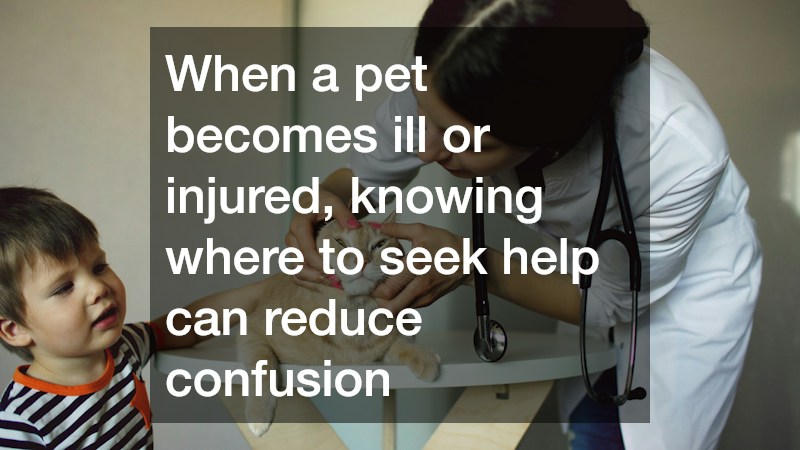
When a pet becomes ill or injured, knowing where to seek help can reduce confusion. Keep contact information for your regular veterinarian and a nearby emergency facility readily available. Check operating hours in advance because some clinics offer limited services outside normal business hours.
When contacting a provider about urgent veterinary care, describe your pet’s symptoms, when they began, and whether they have changed. Mention any known medical conditions, medications, injuries, or possible exposure to harmful substances. This information can help the veterinary staff determine how quickly your pet needs to be evaluated.
If possible, bring relevant medical records and medication packaging. Follow the clinic’s instructions about transportation and preparation. Do not delay emergency treatment while gathering documents or trying to identify the exact cause of the symptoms.
Knowing when to seek professional veterinary attention can help protect your pet from complications. Difficulty breathing, repeated vomiting, collapse, significant injuries, inability to urinate, and other severe symptoms may indicate conditions that require immediate treatment. Less severe symptoms can also become concerning when they persist or occur alongside other changes.
Pay attention to your pet’s normal habits and contact a veterinary provider when something seems wrong. For potentially life-threatening symptoms, go directly to an emergency veterinary facility rather than waiting for a routine appointment. Recognizing warning signs, preparing for unexpected situations, and responding promptly can help you make informed decisions about your pet’s health.